Zone 0 Fence Rules For Glendale Homes
We connect you with independent Glendale fence contractors.
On August 19, 2026 the California Board of Forestry approved the final version of the state's Zone 0 rules. For most of the state that is a news story. For a house in the Verdugo foothills with a wood fence running into its side wall, it is a change to what that fence has to be made of.
What Zone 0 Is
Zone 0 is the first five feet measured out from a house, including out from decks and anything attached to it. The thinking behind it is that most homes lost in a wildfire are not lost to a wall of flame arriving. They are lost to embers blown ahead of the fire landing on something that burns close to the building, which then takes the building with it.
The rules cover what is allowed in that five feet. Two points matter for fencing. The part of a fence that attaches to a house should be built from something that will not burn, and no new fences or gates that can burn should go inside the zone. Repairs to what is already there are treated differently from new work.
Local agencies can adopt something that achieves the same result or go stricter based on their own risk, so the floor set by the state is not always the whole answer for a given address.
When This Actually Starts, Which Is Not Now
This is the part most coverage is getting wrong, and it is worth being exact about, because people are already spending money early. The Board approved the final rules on August 19, 2026. Approved is not the same as in effect. They still have to clear a legal review by the Office of Administrative Law, and the expectation is that they take effect around the end of September 2026.
New construction has to comply as soon as they take effect. Existing homes are treated differently and get a phased schedule that runs over five years, in two parts that are not the same list.
Phase 1, within three years, is the loose material. Firewood, dead leaves and branches, mulch and wood chips out of the first five feet. Gutters cleaned. Dead and dying plants removed. Trees trimmed.
Phase 2, within five years, is the structural part. Local jurisdictions set the timeline for creating the under eave area, for replacing combustible gates, and for adjustments to sheds and fencing.
So on an existing home, fences and gates sit in the five year bucket, not the three year one. If you are reading something that says you have to replace a wood fence this year, that is wrong. What is true is that the decision is coming, and it costs far less to make it when the fence is due for replacement anyway than to make it against a deadline.
Which Glendale Streets This Is About
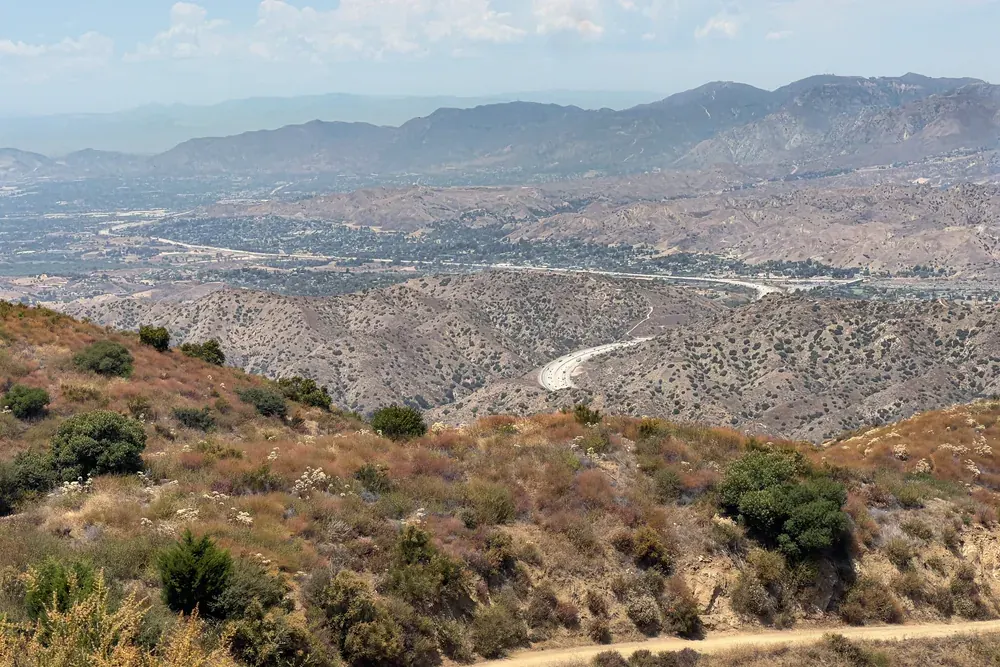
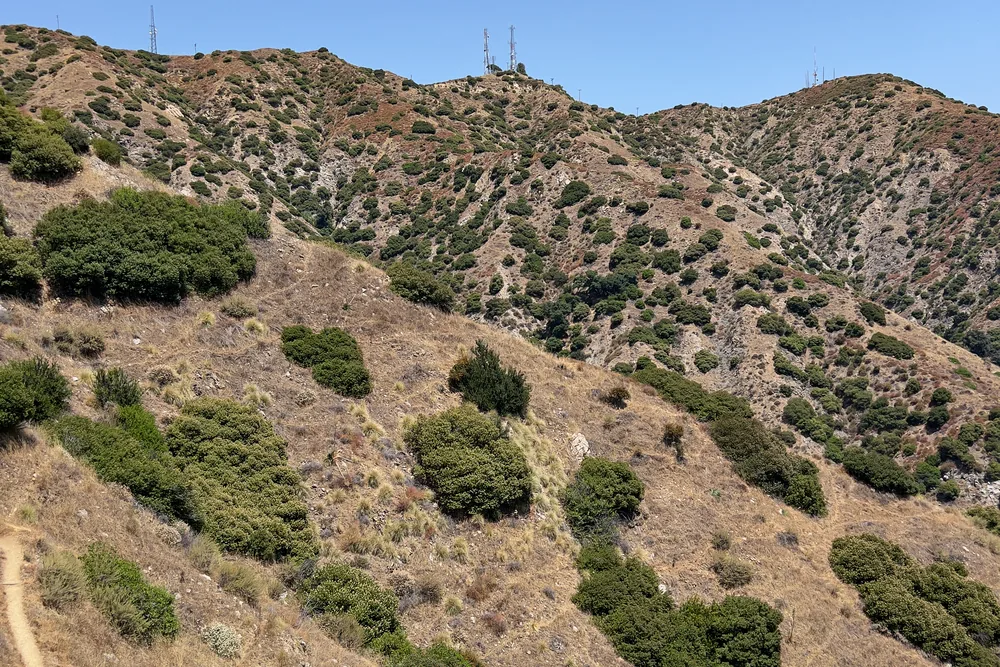
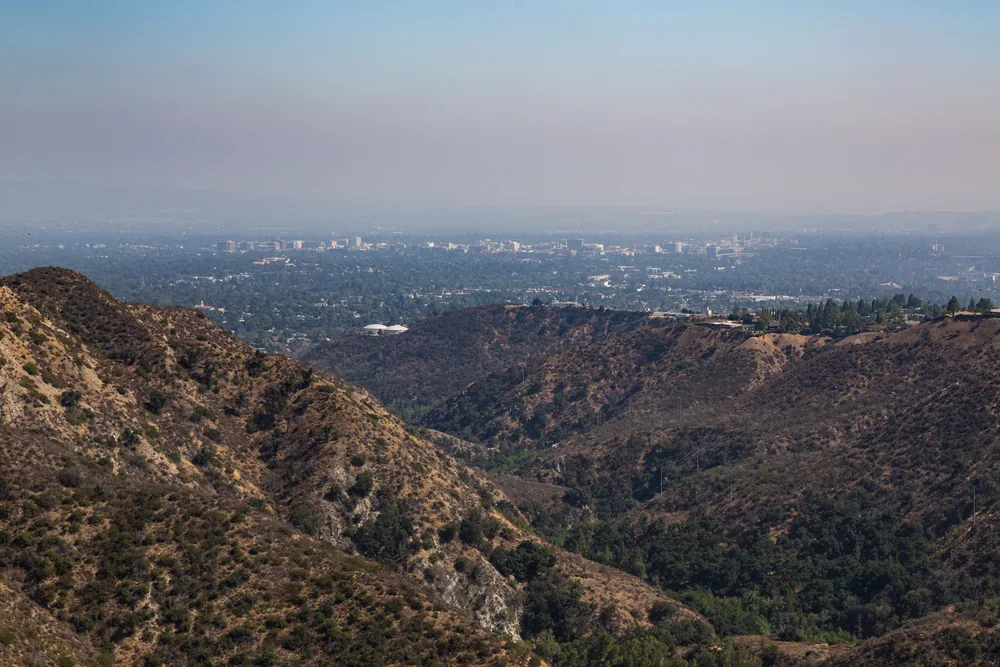
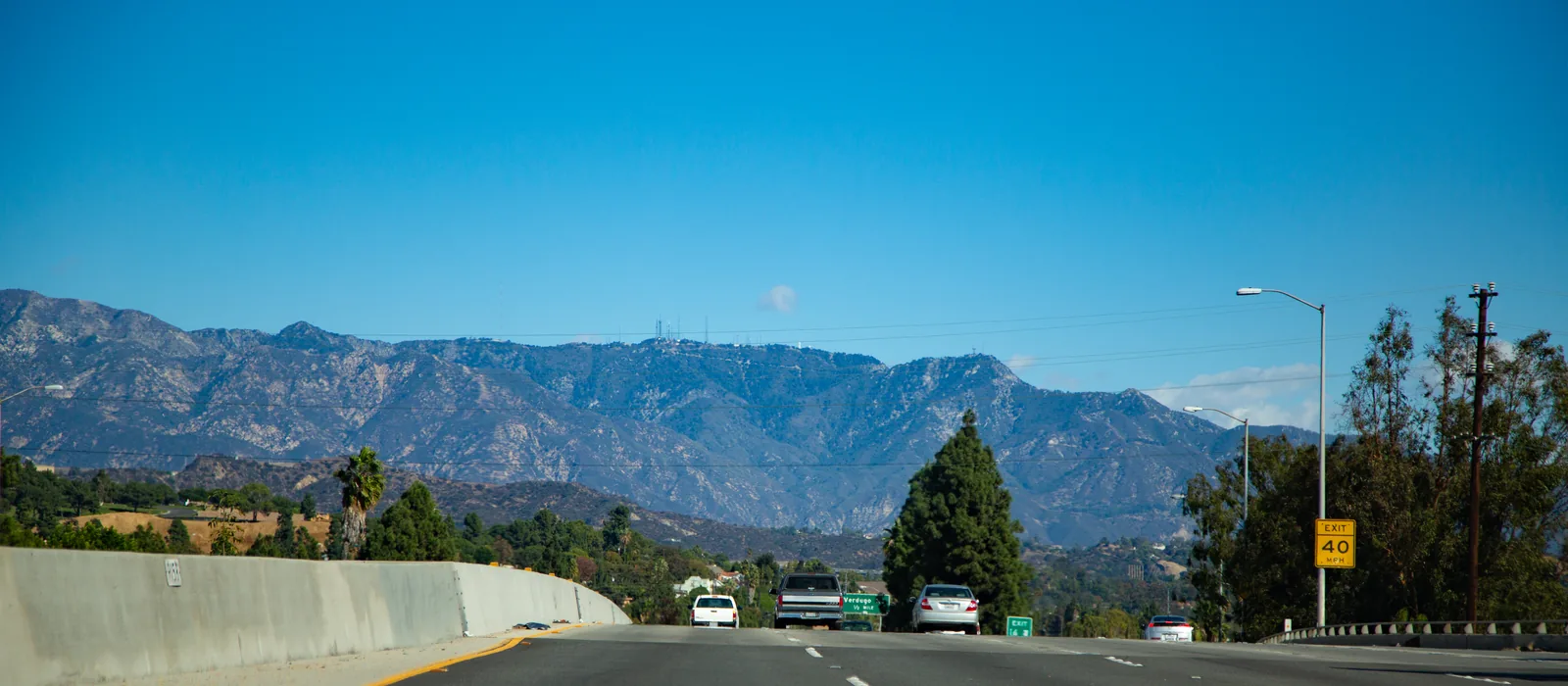
Not the whole city. The flat neighborhoods in the south, meaning Vineyard, Citrus Grove, Pacific Edison and the grid around them, are not what these rules are aimed at. The exposure runs along the north and east where the city climbs into the Verdugo Mountains and the San Rafael Hills, which means Chevy Chase Canyon, Glenoaks Canyon, Verdugo Woodlands, the Crescenta Highlands and the streets backing onto open slope above them.
Those are largely the city's hillside zones, which is a useful shortcut. Glendale drew its hillside zones around the same terrain the fire maps later covered, so if your property is in one of them you should assume the fire question applies to you and check rather than assume it does not.
The Glendale Code Already Points The Same Way
Here is the part that is specific to this city and that no statewide article will tell you. Glendale limits fences over three feet in the home zones to wood, block or brick, decorative metal such as wrought iron, and anything else the city approves case by case. Of those, block and metal do not burn.
So the two materials the Zone 0 rules push a foothill homeowner toward are the same two the city already allows outright. That means the fire safe option is also the option least likely to cause an argument at design review, which is not true in every city and is worth knowing before you choose.
There is a second overlap. Code 30.11.070 keeps fences out of the front setback but allows a retaining wall, planter or curb up to eighteen inches. A low block wall is therefore both the one structure you are allowed out front and something that will not burn. On a foothill lot that single detail solves a code problem and a fire problem at the same time.
What It Means Material By Material
Wood is the material most affected, and it is also what most Glendale back yards are built from. A redwood fence is not unusable, but the section that ties into the house is exactly what the rules are aimed at.
Vinyl is worth being clear about, because people often assume it is safer than wood and it is not. Vinyl burns. Under heat it softens, warps and melts well before it catches, and a melted fence has still failed.
Ornamental iron and steel do not burn, so they are the straightforward answer. Block is the strongest option of all and has the extra advantage on a hillside lot of holding the ground at the same time.
Gates matter as much as fences and get forgotten. A wooden side gate against the house is inside the zone by definition, and it is usually the closest thing that burns to the building.
What About The Fence I Already Have
This is the first question most people ask, and the answer is more relaxed than the headline suggests. The rules treat new work differently from what is already standing. New fences and gates that can burn should not go inside the zone, while repairs to an existing fence are handled differently.
So an existing wood fence running into the wall of a foothill house is not something you are being told to tear out this week. The point at which it matters is when you replace it, and for a wood fence in this climate that day arrives eventually anyway, usually when the posts go at the sprinkler line. The sensible move is to decide now what the first five feet will be made of when that day comes, rather than deciding it in a hurry with a crew already on site.
The Mixed Fence, Which Is What Most People Build
The obvious reading of the rule is that a foothill homeowner has to rebuild an entire boundary in iron or block, which on a large lot would be a very large number. That is not what the rule asks for, and it is not what experienced foothill contractors have been building.
The rules concern the first five feet around the house. So the usual answer is a mix: a section that will not burn, either iron or a low block wall, where the fence meets the house, with the rest of the run carrying on in whatever material you want once it is clear of the zone.
That costs a fraction of a full replacement and it deals with the actual problem, which is a continuous line of fuel leading to a wall. If a contractor quotes you a whole perimeter in iron because of Zone 0, ask him to explain how the far corner of the garden is within five feet of your house.
Questions Worth Asking Before You Sign
This is genuinely new ground and not every contractor is current on it. A few questions will tell you quickly who is:
- Is my property in a high fire zone, and how did you check rather than guess
- Where exactly does the five foot zone fall on my plan
- What material are you proposing where the fence meets the house
- Are any of the gates inside that zone, and what are they made of
- Does Glendale currently require anything stricter than the state rule
- If the rules tighten further, does what you are building now still pass
The Wider Point
The Zone 0 rules put into writing something the foothills already knew. La Tuna Canyon burned roughly seven thousand acres in September 2017 on the slopes northwest of the city, and people who watched that happen make different decisions about their property than people who did not.
A fence is a boundary and a privacy screen, and in the wrong material in the wrong place it is also a fuse. Treating the five feet nearest the house as a different specification from the rest of the run is a small change that costs very little at the time of building and is expensive to put right afterwards.
The Zone 0 rules were approved in final form on August 19, 2026 and are expected to take effect around the end of September 2026 after Office of Administrative Law review. Existing homes phase in over five years, with fencing and gates in the five year part. Local agencies can adopt stricter versions. This is a summary rather than advice. Check the current requirements for your address before committing to a material.

Get A Free Fence Estimate
One call and a few questions about your yard, then a local contractor comes out and measures. Tell him if your land slopes or if you live up in the foothills, because both of those change the price. The estimate is free and there is nothing to sign.
Call Now(747) 307-5501We connect you with independent Glendale fence contractors.